
Strategy · Guide · 5 MIN READ
The Not-Invented-Here Tax: Overcoming Experienced Staff Resistance
A precision manufacturer invests a six-figure sum in a top-tier MES — and the operators bypass it with a notebook. Why that isn't stubbornness, and how you win the workforce over.
strukturunion Team · November 14, 2017
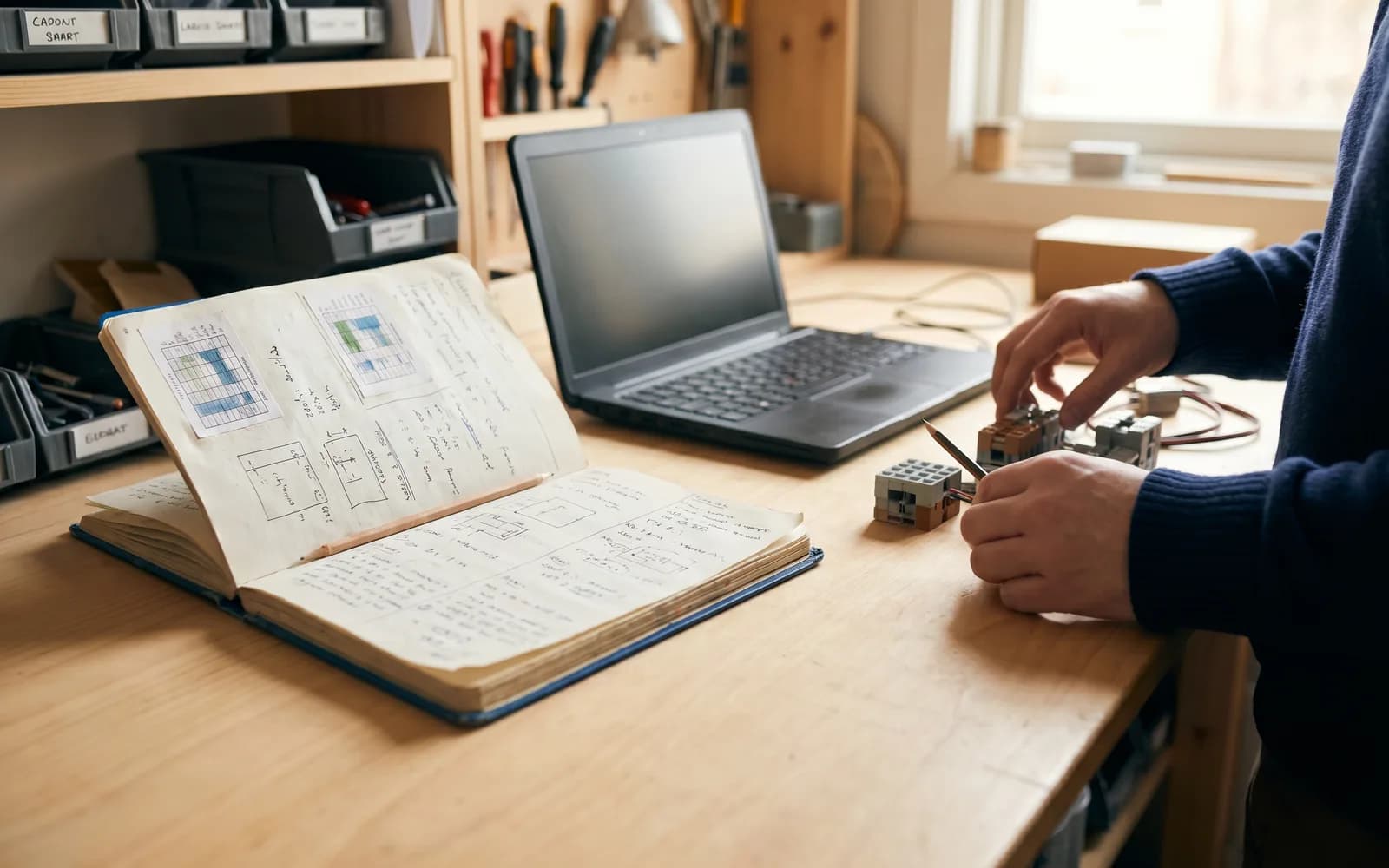
A long-established maker of precision tools invests a six-figure sum in a high-quality European Manufacturing Execution System. The rollout fails — not because of the technology, but because the operators find inventive ways to bypass the software. They keep recording production in personal notebooks in their coat pockets. The expensive solution runs, but no one feeds it real data.
The pattern
When external software is imposed on an organization without any involvement, the staff treat it like an occupying power. This is not simple stubbornness, but an act of professional self-assertion. An experienced worker has refined a mental model over years that guarantees high quality and safety. When a rigid, generic system forces them to change their well-practiced routines only to satisfy a database schema, they experience it as a real threat to their craft and their productivity.
So the resistance is a signal, not a defect. It shows that the software ignores the reality of the people on the floor. You cannot program your way out of a cultural problem — no extra feature and no training replaces the feeling of being taken seriously. Anyone who treats the resistance as merely a training problem is fighting on the wrong front.
From our practice
We've learned that the first person we have to win over is not the IT manager, but the most senior worker on the line. Before we write a single line of a custom data bridge, we spend whole shifts looking over the operators' shoulders. We want to understand their shortcuts, their sequences, their unwritten rules.
This is how we go about it:
- Listen before designing. We accompany the work for several shifts instead of describing it in a meeting.
- Adopt the existing language. The interface uses the terms, shortcuts, and visual habits the team already uses anyway.
- Turn the affected into co-designers. Someone who recognizes their own logic in the software defends it instead of bypassing it.
- Review together early. We show first views right on the line and adjust them before anything becomes binding.
The core is simple: when a worker sees their own logic in the software, acceptance is assured. We've often seen that the very person who was loudest against a previous system becomes the strongest advocate for the new solution — because for the first time they feel the solution is meant for them.
What this means for rollouts
The most expensive part of a failed rollout is not the license, but the burned goodwill. Anyone who has once experienced "the new software" making everyday work harder approaches the next attempt with even more skepticism. That's why the time spent up front on the shop floor pays off twice: it not only improves this one solution, but keeps the workforce open to the next.
Takeaway
Resistance to new software is rarely laziness and almost always self-protection. Whoever wins over the people on the line first and translates their way of working into the interface needs no forced rollout. We begin every such project on the shop floor, not at the whiteboard. If a good solution is failing on acceptance at your company, we're happy to look together at what's really behind it.